It is clearly noticeable that electronic devices are getting smaller and smaller every year; like computer devices which in the past, used to take up space of a very large room and took many users to control it. after that desktop computers were invented and they were much smaller and had better performance than the previous ones . The technology behind that decrease in size and increase in performance is called micro-technology, But even with that, the size of computer devices ,their power consumption and their performance were still not that enough. And here comes nano technology to solve this problem, and due to that technology nowadays we have some very compact devices like laptops, tablets and smartphones .
So what is nanotechnology ? and what are its effects on electronics ?
What is Nanotechnology ?
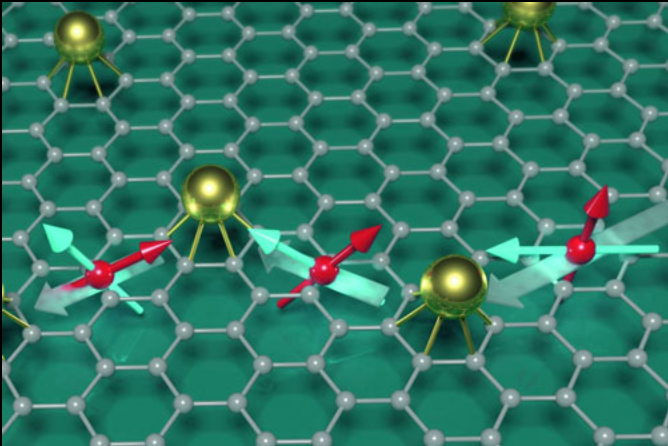
Nano means dwarf in Greek, but actually it is much smaller than almost anything. a nanometer is one Billionth of a meter, it is approximately the width of three atoms. so a humans hair is about 25,000 nanometer wide.
Nanotechnology is the study of manipulating matter and the constructing and the engineering of the functional systems at an atomic scale.
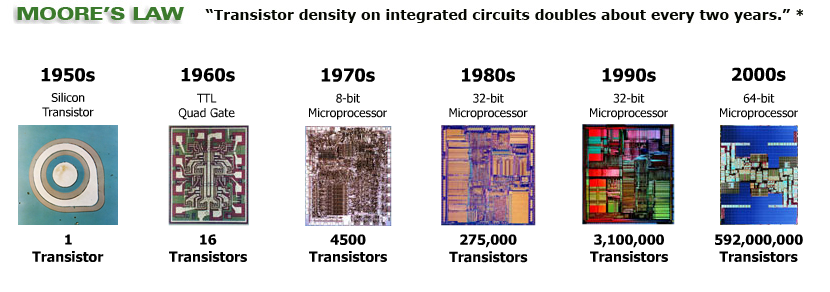
This technology is now used in many fields and among them electronics, in which it has made a huge impact. the best example for that is transistors. ( the transistor is considered as one of the most revolutionary inventions in the electronics world). The first transistors built in 1947 were over 1 cm in size. however, the smallest working transistor today is about 7 nanometers long which is over 1.4 million times smaller . And due to that many electronic circuits nowadays contain hundreds of millions of these devices such as CPUs.
Some applications of this technology in electronics
- Memory and storage devises like (hard drives and memory cards)
- Displays
- integrated circuits
- flexible electronics
Advantages of using nano technology in electronics
there are lots of advantages to site, but the most important one are :
- the decrease in size of transistors and
- increasing the density of memory ships
- the decrease in size and thickness of screens and the increase in their hardness
- improving the flexibility of some materials
- reducing power consumption
- improving the performance of electronic devises
- reducing the price of manufacturing of electronics parts
Graphene and carbon nanotubes : future of electronics
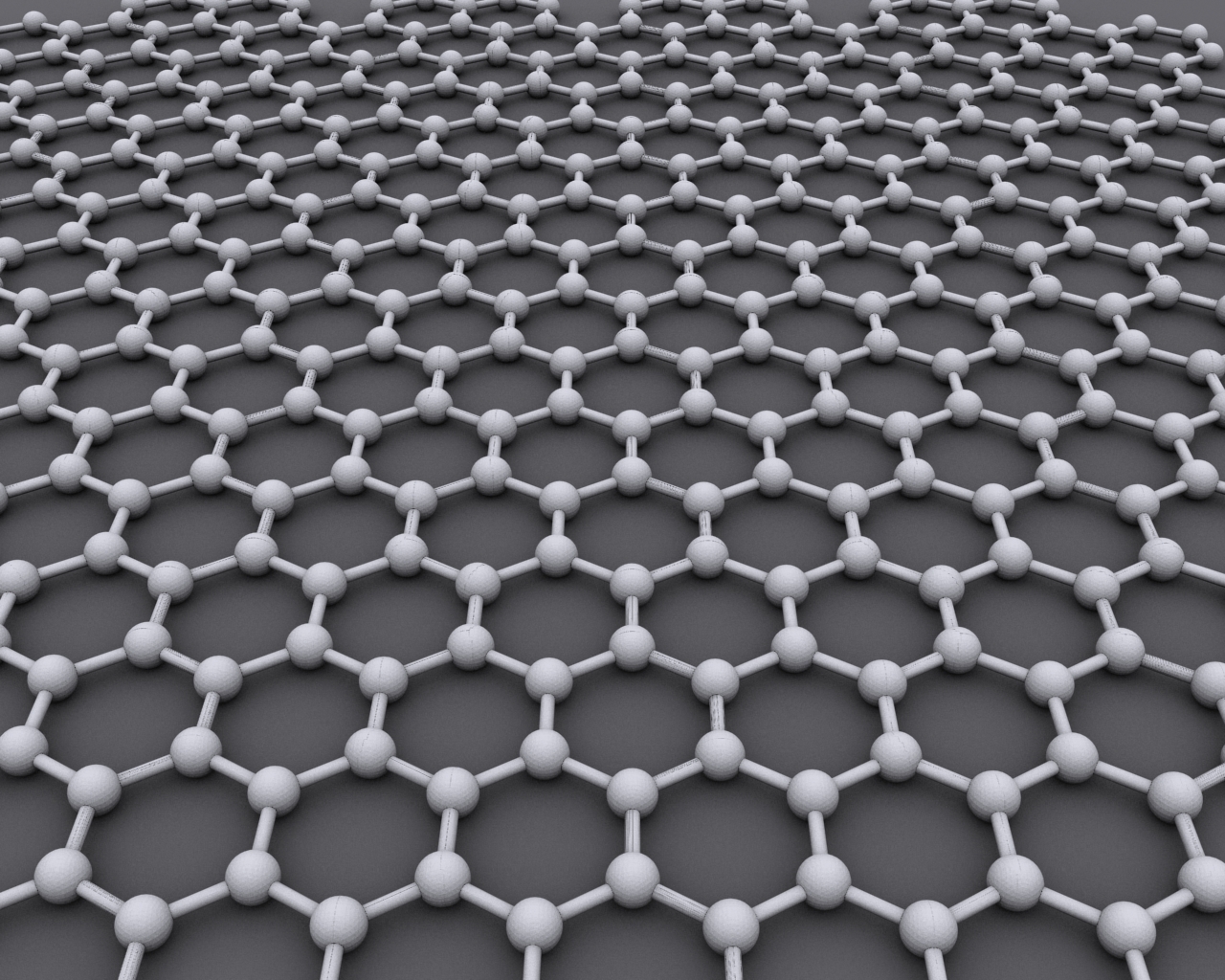
Graphene is expected to replace silicon in the near future as the material in the manufacture of integrated circuits ( as a semi-conductor) . Graphene could be used to manufacture smaller and more powerful devices. High-quality graphene is much stronger, almost transparent and is a great conductor of heat and electricity. it is much harder than steel and is able to cool,repair itself , hardly heats up when carrying current and consumes less energy than silicon.
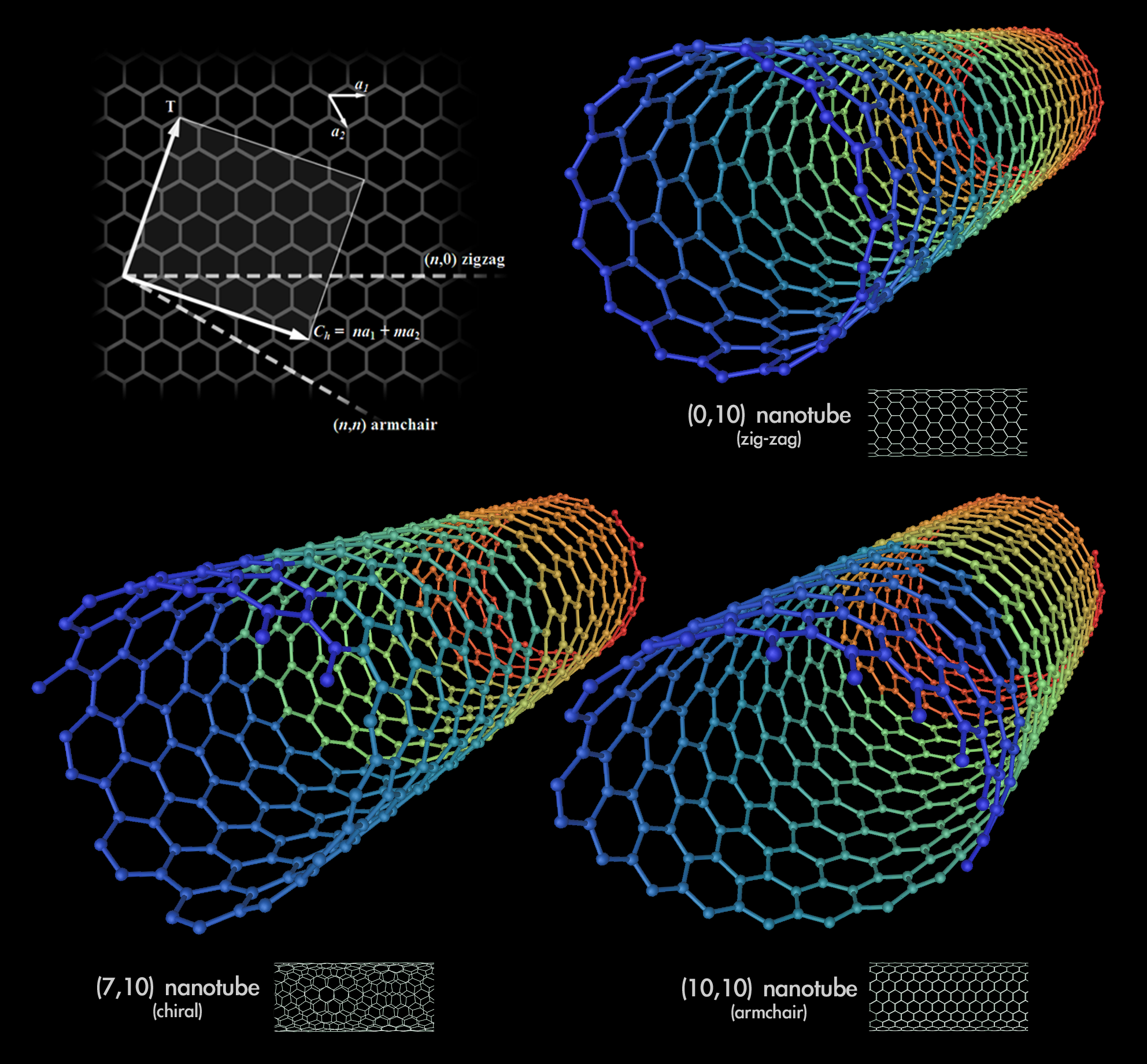
Carbon nanotubes are cylinders of one or more layers of graphene. These cylindrical carbonmolecules have unusual properties, which are valuable for nanotechnology, electronics, optics, and other fields of materials science and technology. Owing to the material’s exceptional strength and stiffness.These are used for different purposes such as energy storage, automotive parts, thin electronic materials, coatings, electromagnetic fields and more.
Conclusion
This technology is just at its beginning and more research is being done on it, and it still holds a lot for the future. So, what do you think about this technology? will it take electronics to a new level, and what improvements on electronics do you expect in the near future ?
 INELECTRONICS TECH Blog